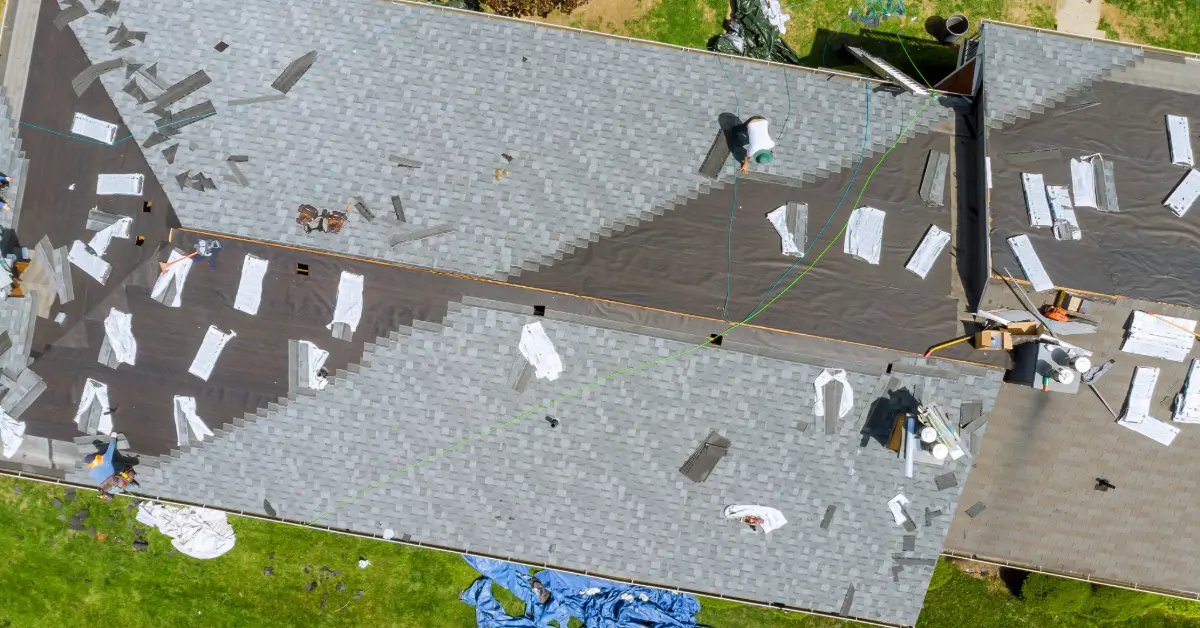
California winters might not always bring snow, but the combination of heavy Pacific storms and fluctuating temperatures can be brutal on your home. For California homeowners, maintaining a “dry” roof is a seasonal priority. Neglecting roof maintenance now can lead to expensive roof repairs or even a premature roof replacement later.
To help you protect your investment, we have compiled the most common winter roofing issues you should monitor this season.
1. Leaks and Water Intrusion
Heavy seasonal rainfall is the primary cause of roof leaks in California. Even a minor crack in your shingles or compromised roof flashing can allow water to penetrate your home. This leads to mold growth, damaged insulation, and wood rot. During the first few storms, check your attic and ceilings for water stains or damp smells.

2. Wind Damage to Shingles
California’s winter “North Winds” and storm gusts can reach high speeds, easily lifting or tearing away aged asphalt shingles. Once a shingle is missing, your roof underlayment is exposed to the elements. Inspect your yard after a storm for shingle granules or pieces of roofing material that may have blown off.

3. Clogged Downspouts and Gutters
Falling leaves from autumn can quickly fill your gutter system. When winter rains arrive, clogged gutters cause water to back up under the edge of your roof. This leads to fascia board rot and can even damage your home’s foundation. Ensuring your gutters are clear is one of the most effective preventative roofing tips for the winter.
4. Overhanging Tree Branches
While trees provide shade in the summer, they are a liability in the winter. Saturated soil and high winds can cause branches to snap and fall onto your roofing tiles. Even if they don’t break, branches that rub against the roof in the wind can scrape away the protective granules of your shingles, significantly shortening the lifespan of your roof.
5. Deteriorated Roof Flashing
Roof flashing, the metal transitions around chimneys, vents, and skylights, is your roof’s weakest point during a storm. Over time, the sealant can crack or the metal can warp. Because these areas handle a high volume of water runoff, any gap in the flashing will almost certainly result in a leak during a heavy downpour.

6. Ponding Water on Flat Roofs
For homes with modern or Mediterranean-style flat roofs, ponding water is a major concern. If your drainage points are blocked or the roof has settled, standing water can sit for days. This extra weight and constant moisture can break down roofing membranes, eventually soaking through to the interior.

7. Moss and Algae Growth
The damp, cool environment of a California winter is the perfect breeding ground for moss. Moss acts like a sponge, holding moisture against your shingles for weeks at a time. This constant dampness can cause shingles to curl or rot. If you notice green patches on your roof, it is a sign that your roofing system is retaining too much moisture.
Don’t wait for a ceiling stain to tell you there is a problem. Being proactive with a professional roof inspection can identify these common winter issues before they become emergencies. Protecting your home starts with a sturdy, weather-tight roof.