Winter in Sacramento brings more than just cooler temperatures. From November through March, consistent rainfall, morning fog, and extended periods of moisture test your roof’s ability to keep your home dry and comfortable. While our winters are milder than many parts of the country, the combination of rain and humidity creates unique challenges for roofing systems. Homeowners in Rancho Cordova, Roseville, and the rest of the region need to understand how moisture impacts their roofs and what steps they can take now to prevent costly damage. A proactive approach to winter roof preparation saves money, extends your roof’s lifespan, and gives you peace of mind when the next storm rolls in.
Understanding Sacramento’s Winter Moisture Challenges
Sacramento’s winter weather differs significantly from the intense storms experienced in other areas, but that doesn’t make it any less demanding on your roof. The area typically receives about 18 inches of annual rainfall, with roughly 75% falling between November and March. What makes this challenging isn’t just the volume of water—it’s the persistent nature of the moisture. Days of light drizzle, heavy morning fog, and high humidity levels keep roofing materials damp for extended periods. This constant exposure creates conditions where small vulnerabilities become major problems. Shingles that might handle occasional downpours struggle when they never fully dry out between weather events.
How Moisture Damages Roofing Materials
Water finds its way into the smallest gaps and imperfections in your roofing system. When shingles lose granules or curl at the edges, moisture seeps underneath and saturates the underlayment below. Over time, this trapped moisture causes wood decking to rot, compromises the structural integrity of your roof, and creates an environment that is conducive to mold growth. The fog common in our area adds another layer of concern. Unlike rain that runs off relatively quickly, fog settles on your roof and lingers, keeping materials consistently damp. This prolonged exposure accelerates the deterioration of asphalt shingles and can lead to premature aging of your entire roofing system.
Warning Signs of Moisture Problems
Look for water stains on your ceiling or walls, especially after periods of rain. These discolorations indicate water has penetrated your roof and made its way into your living space. Inspect your attic for moisture issues, like damp insulation, wood that feels soft or looks darker than surrounding areas, and musty odors that suggest mold growth. Outside, missing or damaged shingles, moss growth, and sagging areas all point to moisture-related issues that need immediate attention.
The Cost of Ignoring Early Damage
Minor roof repairs typically cost a few hundred dollars. However, when moisture damage goes unaddressed, you’re looking at potential structural repairs that can reach into the thousands. Research indicates that water damage restoration usually costs between $2,000 and $7,000, based on how extensive the damage is.[1] That figure doesn’t include the cost of replacing a roof that’s failed prematurely due to moisture infiltration.
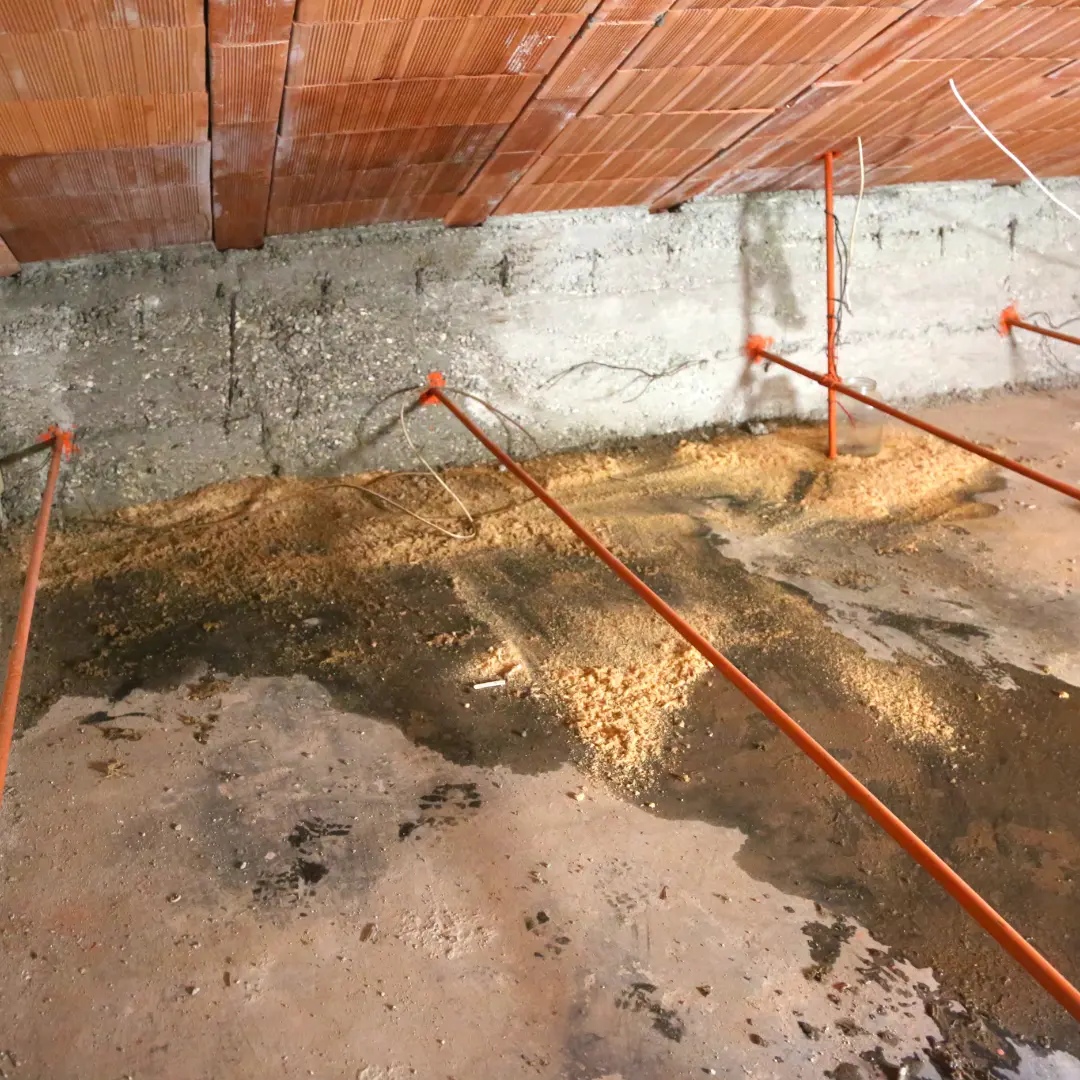
Moisture-Resistant Underlayment: Your First Line of Defense
The underlayment sits between your roof decking and shingles, acting as a critical waterproofing layer. Standard felt underlayment has served homes for decades, but modern synthetic options offer superior moisture protection for Sacramento’s climate. Synthetic underlayment resists water absorption, doesn’t wrinkle or buckle when exposed to moisture, and provides a stronger, more durable barrier against leaks. When water does find its way past your shingles—whether through wind-driven rain or damaged areas—quality underlayment keeps it from reaching your roof deck and home interior. This protection becomes especially valuable during extended rainy periods when your roof stays wet for days at a time.
Types of Moisture-Resistant Underlayment
Rubberized asphalt underlayment offers excellent waterproofing capabilities and self-seals around nails, creating a watertight barrier. Synthetic polymer underlayment provides superior tear resistance and UV protection, making it ideal for homes where the underlayment might be exposed during staged roofing projects. Peel-and-stick membrane underlayment works particularly well in vulnerable areas like valleys, eaves, and around roof penetrations where leaks commonly develop.
Cool Roof Shingles: Dual-Season Protection
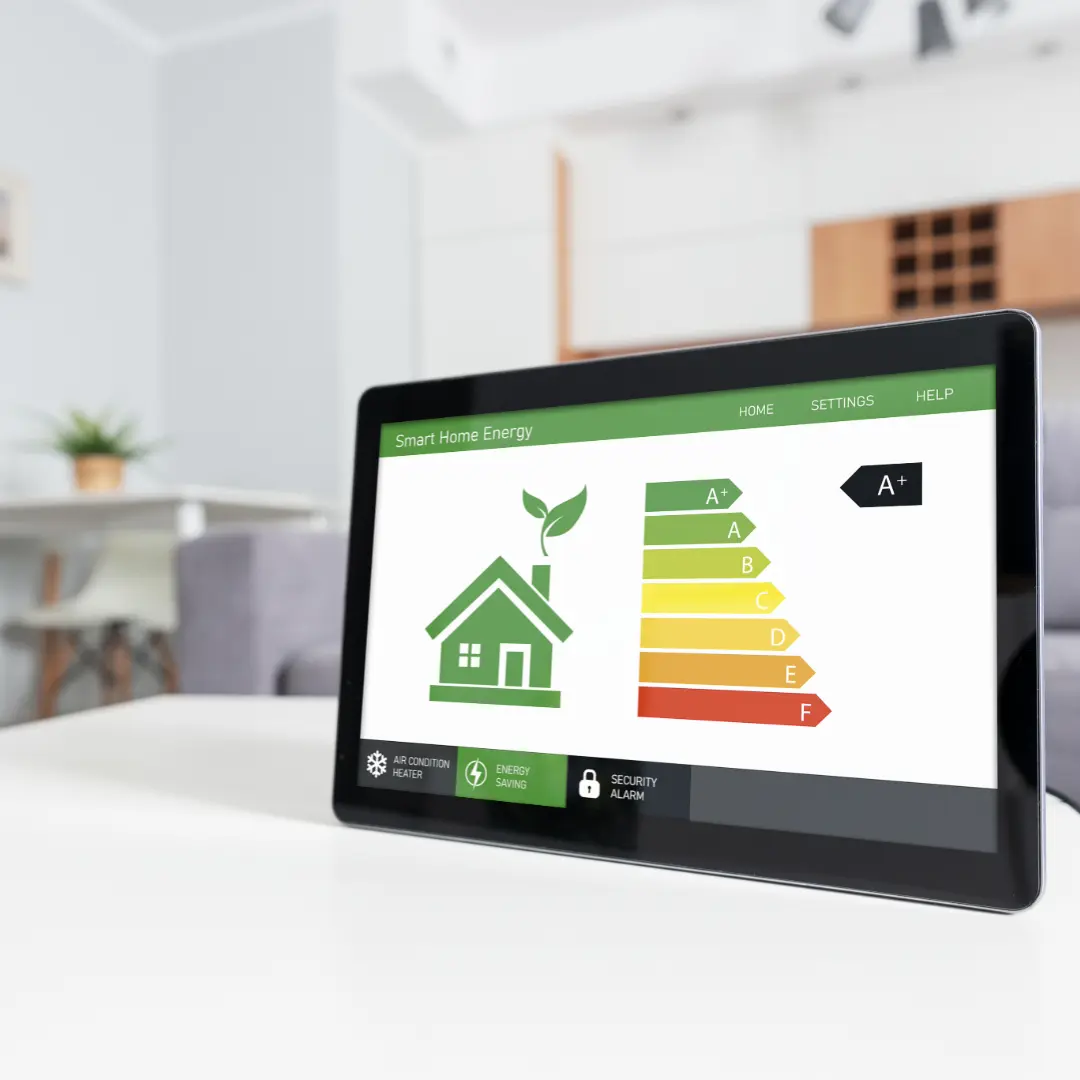
Cool roof shingles feature reflective granules that bounce sunlight away and keep your roof from absorbing as much heat as standard materials. While Sacramento summers make these shingles valuable for reducing cooling costs, they also offer benefits during the rainy season. The reflective properties that keep your home cooler in summer help shingles dry more quickly after rain events in winter. Faster drying means less time for moisture to work its way under shingles and into your roofing system. Manufacturers like Owens Corning and GAF offer cool roof options that meet California’s Title 24 energy standards while providing the durability needed for year-round weather protection.
Energy and Longevity Benefits
Studies by the California Energy Commission have shown that cool roofs may lower cooling energy needs by roughly 10 to 15% in California residential buildings.[2] This translates to real savings on your utility bills during Sacramento’s hot summers, with the added benefit of extended shingle life. When roofing materials stay cooler, they experience less thermal expansion and contraction, reducing stress that leads to cracking, curling, and other damage. The same technology that cuts your energy costs also helps your roof better withstand winter moisture.
Proper Ventilation Prevents Moisture Buildup
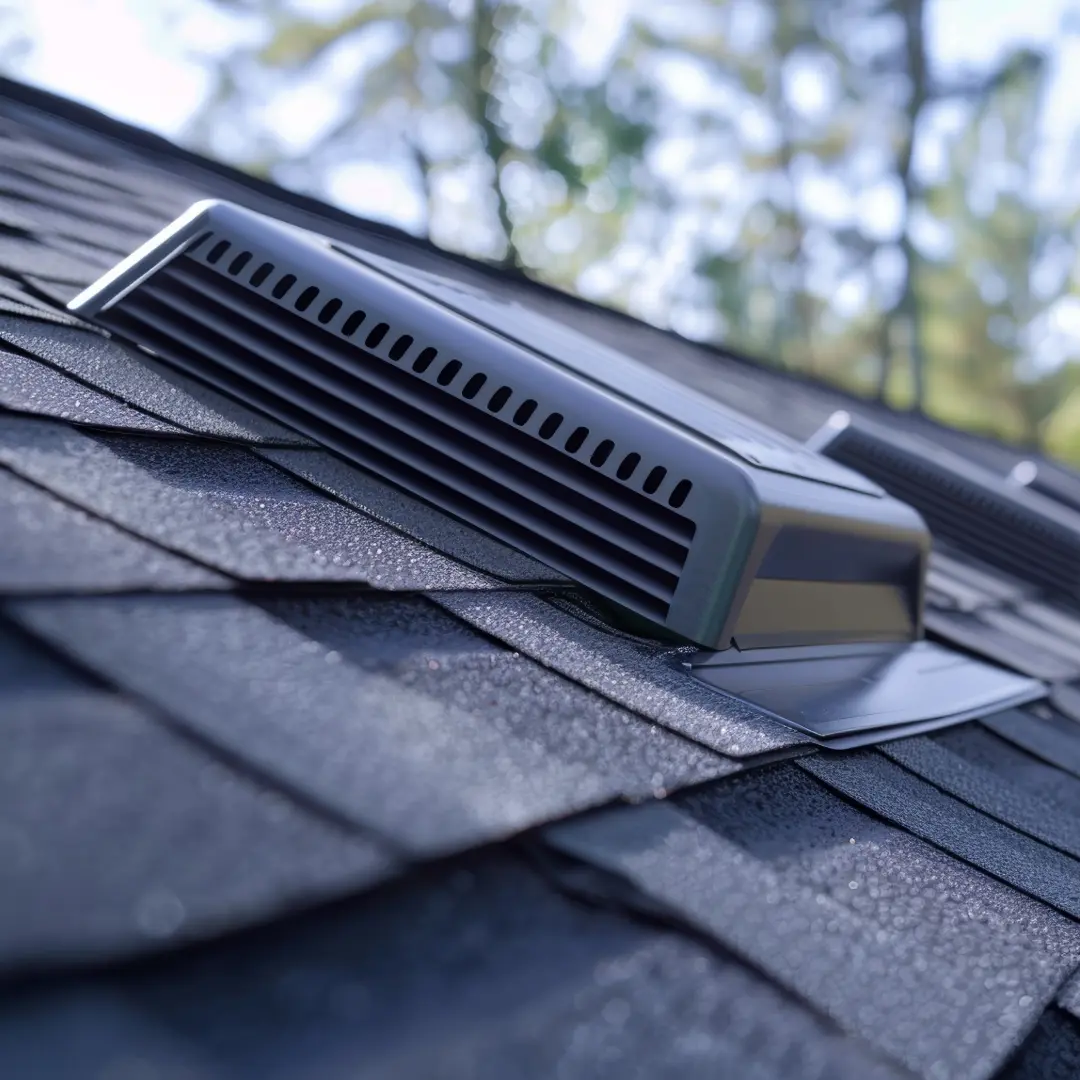
Adequate attic ventilation ranks among the most important factors in preventing moisture damage. During winter, warm, humid air from your living space rises into the attic. Without proper ventilation, this moisture condenses on cold roof decking, creating the same water damage problems as a leak. A well-ventilated attic allows air to circulate, carrying moisture out before it condenses. This circulation also helps maintain consistent temperatures across your roof surface, reducing the likelihood of moisture-related decay. Proper ventilation lengthens the life of your roof, improves energy efficiency, and protects your home’s structure.
Calculating Your Ventilation Needs
Many codes set the guideline at one square foot of ventilation for each 150 square feet of attic. For best results, airflow should be evenly distributed between eave intake vents and ridge exhaust vents. Continuous ridge vents paired with soffit vents create the most effective airflow, but other combinations of static vents, turbine vents, and powered fans can also work when properly designed. The key is moving air through your attic space consistently, preventing moisture accumulation that damages both your roof and home.
Cool-Roof Coatings for Added Protection
Roof coatings create a protective layer over your existing shingles, sealing small cracks and gaps where water might penetrate. These coatings come in various formulations, with elastomeric and acrylic options proving particularly effective in Sacramento’s climate. Applied properly, roof coatings extend your roof’s lifespan, improve waterproofing, and enhance reflectivity for better energy performance. The coating flexes with temperature changes, maintaining a watertight seal even as your roof expands and contracts. For homes with older roofs that still have years of useful life remaining, coatings offer an economical way to boost moisture resistance without the expense of complete replacement.
When Coatings Make Sense
Roof coatings work best on roofs in good structural condition that need enhanced protection or have minor weathering. If your roof has significant damage, missing shingles, or structural issues, coating won’t solve these problems. However, for homes with 8-10 years remaining on their roof’s expected lifespan, a quality coating can add 5-7 years of additional service life. The coating seals small vulnerabilities before they become major leaks, making it a smart preventive investment for many Sacramento homeowners.
Material Comparison for Winter Weather Performance
| Material Type | Moisture Resistance | Lifespan | Energy Efficiency | Cost Range |
| Asphalt Shingles (Standard) | Good | 15-25 years | Moderate | $ |
| Cool Roof Shingles | Very Good | 20-30 years | High | $$ |
| Synthetic Underlayment | Excellent | 25+ years | N/A (substrate) | $$ |
| Rubberized Underlayment | Excellent | 30+ years | N/A (substrate) | $$$ |
| Roof Coatings | Very Good | Adds 5-7 years | N/A | $ |
Maintenance Steps to Protect Your Roof This Winter
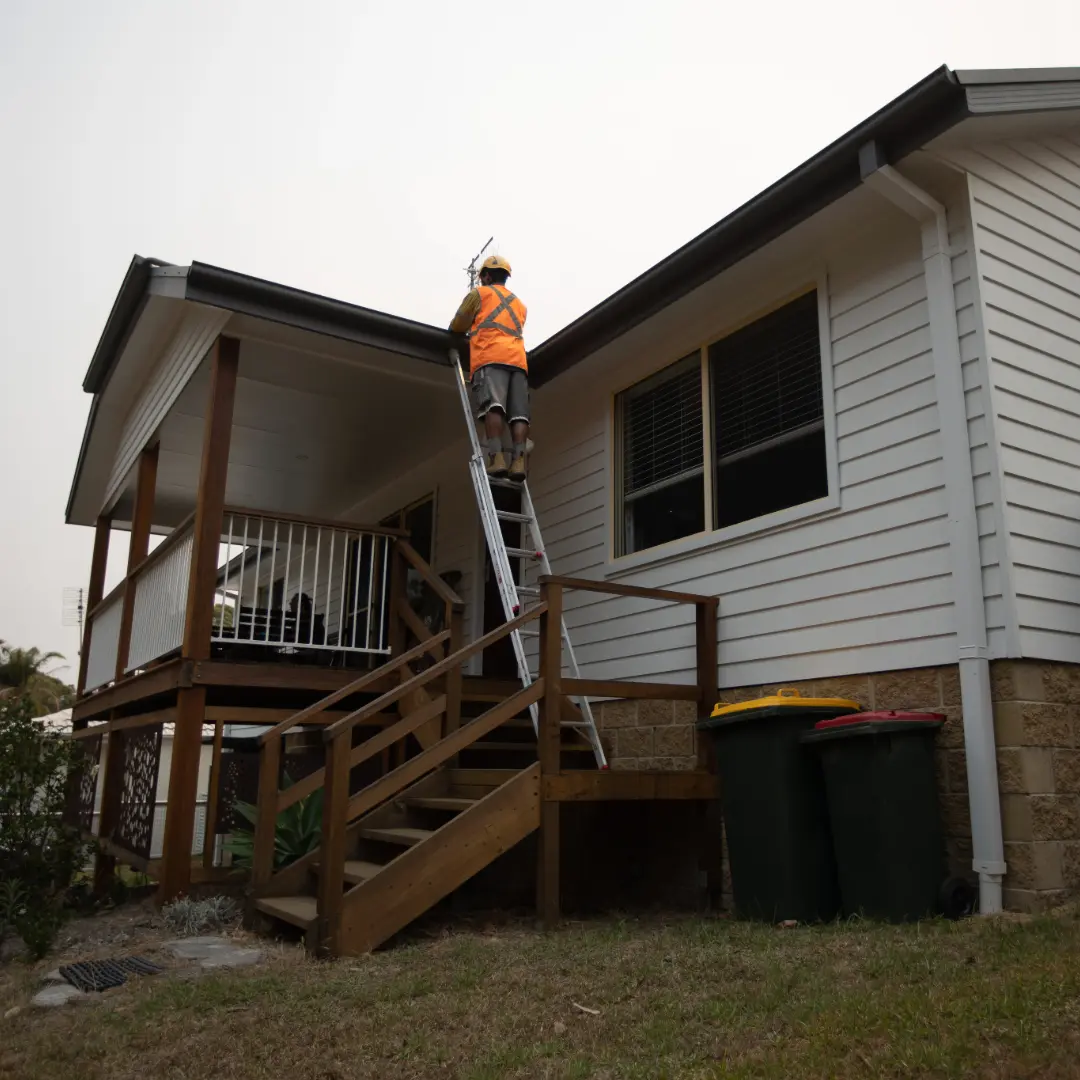
Regular maintenance keeps your roof ready for Sacramento’s rainy season. Start by cleaning your gutters and downspouts before the first significant rain arrives. Clogged gutters force water to back up under shingles, creating leaks and water damage. Trim tree branches that hang over your roof—falling branches during storms cause immediate damage, while leaves and debris hold moisture against your roofing materials. Inspect your roof from the ground, looking for obvious problems like missing shingles, damaged flashing, or sagging areas. While you shouldn’t walk on your roof without proper training and equipment, a visual inspection often reveals issues that need professional attention.
Professional Inspection Value
Having your roof inspected by experienced professionals every 1-2 years catches problems before they become emergencies. Roofing contractors know where to look for early signs of trouble and can spot vulnerabilities that aren’t obvious to homeowners. An inspection typically costs $200-400 but can save thousands in repair costs by identifying and addressing small issues before they escalate. Schedule inspections in early fall, giving you time to complete any needed repairs before winter weather arrives.
Why Sacramento Winters Demand Attention
While we don’t face the harsh conditions of northern climates, Sacramento winters present their own challenges for roofs. The combination of extended moisture exposure, temperature fluctuations, and occasional heavy downpours tests roofing systems in ways that summer heat doesn’t. Homes in Rancho Cordova and Roseville experience similar conditions—enough rainfall to saturate roofing materials repeatedly over several months, with morning fog adding to the moisture load. Your roof might handle individual storms without issue, but the cumulative effect of constant dampness reveals weaknesses in aging or improperly maintained systems. Taking action now prevents emergency repairs during the wettest months.
Local Climate Specifics
Sacramento averages 58 rainy days annually, with January typically being the wettest month at approximately 3.8 inches of rainfall, according to climate data from the National Weather Service.[3] However, these averages don’t capture the real challenge—extended periods where your roof stays damp between storms. High humidity levels common in the Sacramento Valley slow the drying process, meaning your roofing materials might not fully dry out between weather events. This persistent moisture creates ideal conditions for damage to develop and spread.
Taking Action Before the Next Storm
Preparing your roof for winter rain doesn’t require dramatic interventions in most cases. For many homes, simple maintenance combined with strategic upgrades provides excellent protection. Clean gutters, repair minor damage, and address ventilation issues before adding advanced materials. However, if your roof is approaching the end of its expected lifespan or shows significant wear, consider materials specifically designed to handle moisture exposure. Cool roof shingles from manufacturers like Owens Corning and GAF offer proven performance in Sacramento’s climate, while modern underlayment products provide robust waterproofing that wasn’t available when many homes were built.
Budget-Friendly Prioritization
If budget constraints require phasing your roof improvements, start with maintenance and repairs that stop active leaks. Next, address ventilation issues that accelerate moisture damage. When it’s time for replacement, invest in quality underlayment—this relatively small upgrade in material cost provides significant long-term protection. Cool roof shingles offer energy savings to help offset the additional upfront investment. The key is taking some action rather than waiting until damage forces your hand with an emergency repair or replacement.
Professional Assessment and Installation Matter
The best roofing materials won’t perform as designed if they’re not installed correctly. Working with experienced roofing contractors who understand Sacramento’s climate and have proven expertise with modern moisture-resistant products makes a significant difference in outcomes. Professional installers know how to properly integrate underlayment, manage ventilation, and handle water-shedding details so that they work as intended. They also spot existing problems that might not be obvious during a casual inspection, giving you a complete picture of your roof’s condition and what steps will provide the most value for your investment.
Ready to Protect Your Roof This Winter?
Don’t wait for the first major storm to reveal vulnerabilities in your roofing system. Straight Line Roofing & Construction has served Sacramento, Rancho Cordova, Roseville, and surrounding communities since 1999, helping homeowners prepare their roofs for winter weather. Our team understands local climate challenges and works with industry-leading manufacturers like Owens Corning and GAF to deliver solutions that perform year after year. Whether you need a simple inspection, targeted repairs, or a complete roof replacement with advanced moisture-resistant materials, we’ll provide honest recommendations based on your home’s specific needs and your budget. Contact Straight Line Roofing & Construction today to schedule your pre-winter roof assessment and get the protection your home deserves.
Sources
[1] HomeAdvisor. “How Much Does Water Damage Restoration Cost?” HomeAdvisor Cost Guides. https://www.homeadvisor.com/cost/disaster-recovery/restore-water-damage/
[2] California Energy Commission. “Cool Roofs.” California Energy Commission Consumer Energy Center. https://www.energy.ca.gov/programs-and-topics/programs/building-energy-efficiency-standards/cool-roofs
[3] National Weather Service. “NOWData – NOAA Online Weather Data.” Sacramento Executive Airport Climate Data. https://www.weather.gov/wrh/Climate?wfo=sto