Regular roof maintenance is important to protect your home, but it’s especially vital during the climate pattern known as El Niño. If you live in Northern California, it’s important to know how to prepare your roof for El Niño 2026 to prevent damage and costly, unexpected repairs. The experienced, top-certified team at Straight Line Roofing & Construction has some helpful tips and important information regarding what El Niño is, what it could mean for your roof, how to prepare your roof for this climate shift, and more.
What Is El Niño, and What Could It Mean for Northern California Roofs?
El Niño is a naturally occurring climate pattern that causes the waters in the Pacific Ocean to become much warmer than normal. This creates a variety of impacts for Northern California homeowners, including much higher-than-average levels of precipitation, shoreline erosion and coastal flooding, and increased storm activity. Here’s what El Niño could mean for your roof:
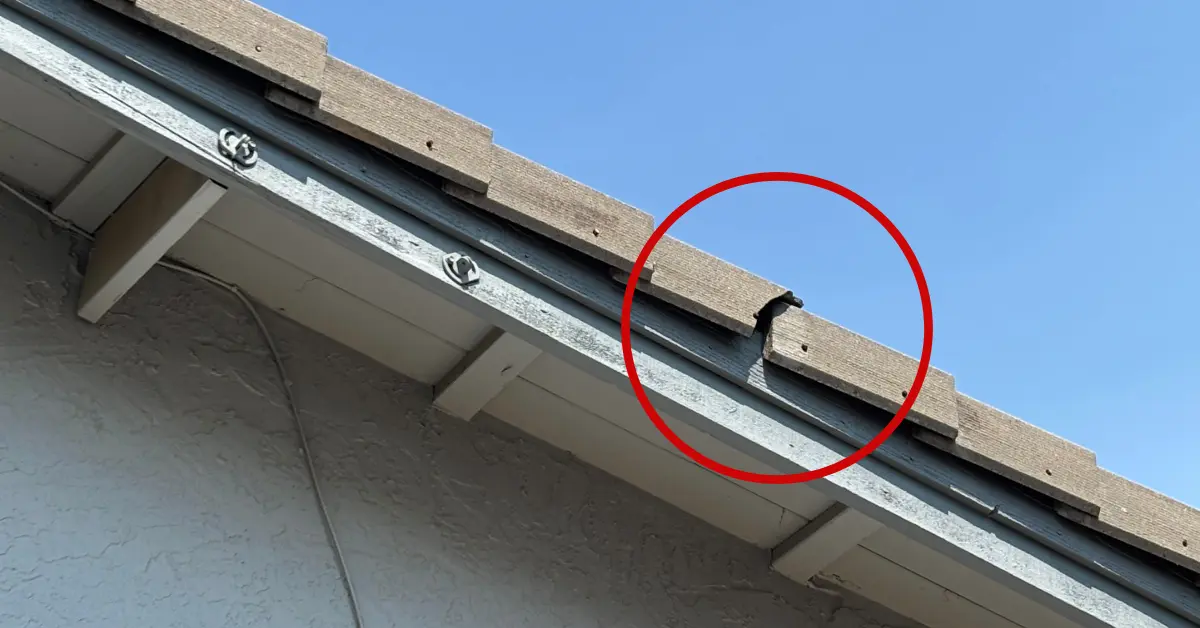
- Prolonged periods of heavy rainfall can expose and threaten vulnerable areas of your roof, like worn shingles or cracked roof tiles.
- Strong, wind-driven rain may force water under flashing, seals, and vent boots.
- Heavy downpours can cause clogged gutters to overflow, leading to backups and water pooling around your roofline and foundation.
- Several storms occurring in succession can keep your roof from completely drying out between weather events, leading to potential leaks or damage.
How Do I Prepare My Roof for El Niño 2026? A Step-by-Step Checklist
Here’s how you can prepare your roof for El Niño 2026:
- Step one: Remove twigs, pine needles, oak leaves, and other debris from gutters and downspouts.
- Step two: Visually inspect your shingles, flashing, and vent pipes to look for issues like any loose or missing shingles, granules in gutters or downspouts, loose seals and metal flashing, and other signs of damage or corrosion.
- Step three: Cut tree branches that extend near or directly over your roof to prevent them from snapping off and damaging your roof during a storm.
- Step four: Inspect your attic to look for signs of daylight or moisture, both of which indicate you need professional roof repair as soon as possible.
- Step five: Schedule professional roof inspection and maintenance with Straight Line Roofing before the rainy season to find and fix problems early ahead of severe weather events.
How to Check Your Roof Safely From the Ground
Although not all roof damage is easy to spot from the ground, there are a few ways to look for specific issues at the ground level. Use binoculars to slowly scan your roofline and gutters to see if you notice any signs of damage. Carefully examine your roofline from a distance to look for sagging, dips, or mold and algae growth. Inspect your chimney, flashing, skylights, and other areas of the roof that may be vulnerable to damage or leaks during a storm with your binoculars.
El Niño Roof Preparedness by Roof Type and Material
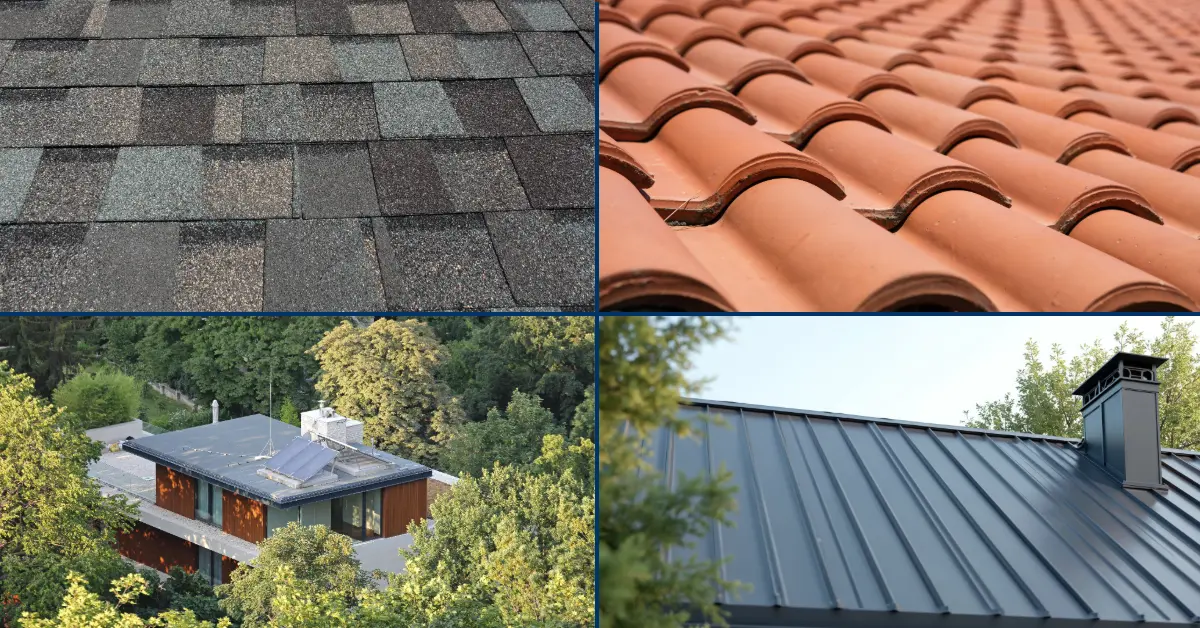
El Niño will bring heavy rain to Sacramento and Northern California this fall and winter. Here are some ways to prepare your roof for this climate pattern based on the type and material:
- Asphalt shingle: Inspect the roof for loose, cracked, curled, or missing shingles, and replace them as soon as possible.
- Tile: Look for cracked, misplaced, or broken tiles and realign any that are out of place or replace those that are damaged.
- Flat roofs: Check for pooling or standing water that makes flat roofs more vulnerable to leaks and storm damage, repair all separated seams, and apply a new silicone coating if the membrane needs repair.
- Metal: Check for rusted panels, loose screws, and degraded gaskets, and tighten or replace them as needed.
- Skylights: A home with skylights is also more vulnerable to leaks, so inspect the seals and flashing as well as the skylight glass and surrounding frame, then schedule repairs if you need them.
Should You Repair or Replace Your Roof Before the Storm?
Your roof may be repairable depending on certain factors, while other factors may require you to schedule a roof replacement. Remember these tips to help you determine whether a repair or replacement before the storm is right for you:
- If your roof is still young (usually around 10 to 12 years old), it may be able to be repaired, but older roofs might need total replacement, depending on the scope and scale of the damage.
- Minor, isolated issues like a few missing shingles can typically be repaired, but major leaks or more labor-intensive damage often warrant professional replacement.
- If the total roof surface affected is less than 25%, it’s usually repairable, but anything larger than that could be a sign that you should have your roof replaced.
What to Do If Your Roof Leaks During a Storm
You should never attempt to repair or climb on a wet roof, even if it’s leaking. If your roof leaks during a storm, start by turning off the electricity to the room where it’s leaking at the main breaker panel. Next, try to contain the water coming inside by catching drips with a large bucket, pot, or trash can, and safely remove any valuables that could incur water damage from the area. Take clear photos and videos of the leak and all applicable damage for insurance purposes, and call Straight Line Roofing for repairs once the storm has passed.
Understanding Insurance, Contractor Licensing, and Storm-Chaser Scams
Your homeowners insurance policy should cover storm roof leaks if they are caused by a sudden, accidental, and covered peril from high winds, lightning, hail, or a falling tree. Roof leaks caused by general wear and tear, lack of maintenance, or improper installation are typically excluded.
When choosing a contractor for roof repairs, make sure they’re fully licensed, insured, and can obtain all required permits before work begins. Ask them how long they’ve been in business, if you can read customer reviews, and whether they are certified. Straight Line Roofing maintains the highest-tier master certifications with Owens Corning, GAF, and CertainTeed, which is an elite level of multi-brand recognition achieved by only 1% of contractors nationwide.
It’s also important to be aware of storm-chasers, which refers to out-of-town contractors who often approach homeowners after a storm. They may use high-pressure sales tactics to convince vulnerable homeowners to hire them, and many either leave before the work is completed or provide rushed, low-quality work that can leave you in the lurch.
Contact Straight Line Roofing & Construction Today
Whether you need roof repairs after a storm, a full roof replacement, or pre-El Niño roof preparation services, Straight Line Roofing & Construction has a rare breadth of legal and technical expertise that vastly exceeds the industry average. If you live in Northern California and need help with your roof, contact us today.
Frequently Asked Questions
When will El Niño storms start affecting the area?
Many forecasters predict that El Niño storms will start to impact Northern California in December 2026. The strongest impacts and peak levels of rainfall are estimated to arrive between January and March of 2027.
Can I check or fix my roof myself, and is it safe?
You can safely inspect your roof from the ground using binoculars and check your attic to look for potential signs of damage. Otherwise, it’s not safe to make most roof repairs yourself, especially if the roof is wet, sagging, or severely damaged.
How can I tell whether a roofer who knocks on my door after a storm is legitimate?
Most reputable roofers won’t knock on your door after a storm, and they won’t use high-pressure sales tactics. You can tell whether a roofer is legitimate if they can provide verifiable identification, an active business license for your area, and proof of general liability and workers’ compensation insurance.