Are skylights a brilliant solution to brighten your home and cut energy costs, or are they hidden energy vampires draining your efficiency? Skylights have fallen out of popularity in recent decades. But why? And what’s the true story behind their energy-saving abilities? Are there energy-efficient skylights?
Skylights have a longer history than you might think. Examples are seen in ancient Roman and Greek designs, where openings allowed natural light into buildings like the Pantheon. Since then, skylights have been promoted as a solution to harness solar energy, especially in homes designed for passive solar heating.
After the 1979 energy crisis triggered by the Iranian Revolution, skylights surged in popularity as homeowners sought to harness natural light to reduce their reliance on artificial lighting. During the rise in inflation that followed, homeowners sought to lower energy bills by using less electricity. Promoted to boost energy efficiency, skylights became a common addition to new homes and renovations during the 1980s.
However, this enthusiasm eventually diminished as many installations (often improperly sealed or poorly placed) led to persistent leaks and heat loss. As a result, what was once seen as a bright idea for energy savings sometimes became an expensive energy drain. Today, with technological advances, homeowners are reconsidering whether skylights are an asset or a liability for energy efficiency.
Common Problems with Skylights
One of the most common problems with skylights is improper installation, which can lead to many issues, most notably leaks. When skylights aren’t sealed correctly, rainwater can seep in, damaging both the roof and the interior of the home. In many cases, homeowners who opt for DIY installations or hire inexperienced contractors face long-term problems as the integrity of the skylight degrades over time. Even minor errors can lead to major water damage, mold growth, and costly repairs without professional installation.
In addition to leaks, skylights that are not installed properly can contribute to significant heat loss and gain, which can undermine a home’s energy efficiency. During winter, improperly insulated skylights allow warm indoor air to escape, making heating systems work harder to maintain comfortable temperatures. Conversely, in the summer, skylights not equipped with proper glazing or shading can result in uncontrolled heat gain, causing rooms to overheat. This can add strain on air conditioning systems, leading to higher energy bills as homeowners attempt to cool down the space.

The impact of skylights on HVAC efficiency is often underestimated. When a skylight allows too much heat loss or gain, it disrupts the temperature balance within the home, forcing the heating and cooling systems to operate less efficiently. In extreme cases, skylights can create hot or cold zones within a room, making it difficult for the HVAC system to regulate temperatures evenly. As a result, homeowners may face increased energy consumption and higher utility costs, negating any potential savings from natural lighting.
Modern Skylight Technology: Efficiency Concerns

Advances in modern skylight technology have significantly addressed many of the energy efficiency concerns that plagued earlier designs. Many modern skylights now include UV protection, which shields interiors from harmful ultraviolet rays that can fade furniture and flooring and contributes to better climate control inside the home. Today’s skylights often feature low-emissivity (Low-E) glass, which helps reduce heat transfer while allowing ample natural light into the home. Double-pane glazing adds another layer of insulation, minimizing winter heat loss and reducing summer heat gain.
Beyond improved materials, energy-efficient designs have revolutionized the performance of skylights. Ventilated skylights help reduce heat buildup by allowing warm air to escape. Especially helpful in attics or rooms prone to overheating, this natural ventilation can lower cooling costs during the summer months. Solar-powered skylights open and close automatically based on weather conditions. They can be controlled remotely, improving ventilation using renewable energy.
Achieving maximum efficiency still requires proper installation and placement. Professional installation ensures that skylights are well-sealed and free from leaks, while strategic placement—typically on north-facing roofs or shaded areas—helps optimize daylight without causing excessive heat gain or loss.
Benefits of Skylights
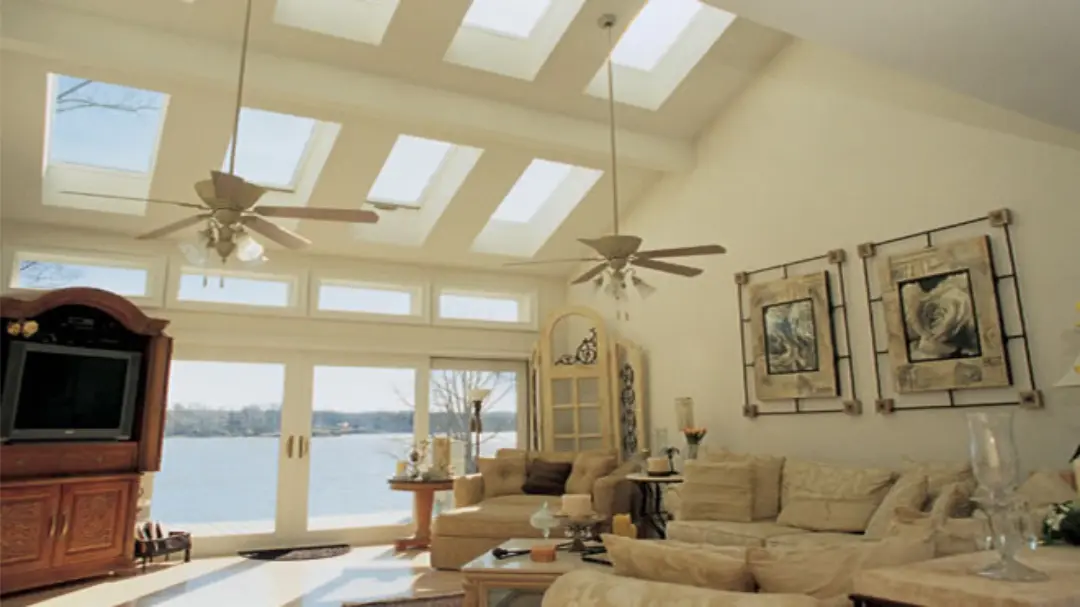
Energy-efficient skylights offer several advantages for homeowners. One of the primary benefits is the notable reduction in artificial lighting costs. By allowing natural sunlight to flood a room, skylights reduce the need for turning on indoor lighting during daylight hours, lowering energy bills. This influx of natural light also contributes to improved well-being for occupants. Increased productivity, better mood, and enhanced overall health are experienced with exposure to daylight.
In cooler climates, skylights provide an additional benefit through solar heat gain. As sunlight enters through the skylight, it warms the interior space, potentially reducing heating costs. This passive solar heating can be particularly effective in rooms with high ceilings or in areas of the home that might otherwise feel chilly. Combining improved natural lighting and potential energy savings makes skylights attractive for homeowners and architects looking to create more sustainable and comfortable living environments.
Skylights for Energy Efficiency
Skylights present a paradox in home design, offering both potential energy savings and risks. While energy efficient skylights flood interiors with natural light, reducing the need for artificial lighting and lowering energy costs, they may also add heat in summer and lose heat in winter if they are not correctly installed or selected. Modern skylight technologies have reduced these concerns, with advanced glazing, insulation, and even smart-tinting options available. However, the effectiveness of skylights in promoting energy efficiency depends on climate, home design, and installation quality.
For homeowners considering skylights, weighing the benefits against potential drawbacks is crucial. Professional installation and carefully selecting high-performance skylights can mitigate most of the risks associated with energy loss. For those still hesitant, alternatives like sun tunnels, solar tubes, or strategically placed windows can provide natural light benefits with potentially less impact on your home’s thermal envelope. Ultimately, installing skylights should be based on a comprehensive assessment of your home, climate, and energy goals.
How to Know for Sure
Is the skylight a bright idea or an energy drain for your home? The answer may not be clear-cut. You can make an informed decision that balances energy efficiency with your desire for natural light with expert guidance. Achieving maximum efficiency still requires proper installation and placement.
If you’re in the Sacramento or Cameron Park, CA area, don’t navigate this complex decision alone. Reach out to Straight Line Construction for a professional consultation. Let us help you evaluate your options and choose the right energy efficient skylights for your home. Contact Straight Line Construction today to shed some light on your home improvement project!