Residential homeowners may not be aware of the hazards associated with an unvented attic. Attic vents are crucial in ensuring a roofing system’s optimal performance. If a home lacks sufficient attic ventilation, it will suffer adverse consequences, including energy inefficiencies that can dramatically increase heating and cooling costs. Homeowners benefit from working with an experienced roofing contractor to ensure that their attic provides adequate ventilation.
What Is An Unvented Attic?
An unvented attic lacks traditional ventilation. It eliminates heat transfer outside the attic while maintaining a consistent interior temperature. Conversely, a vented attic has a working ventilation system to circulate airflow. Warm air and excess moisture or condensation are expelled. Cool, refreshing outside air may enter as an effective counterbalance.
The Pitfalls Of An Unvented Attic
An unvented attic is an open door to problems for most homes. Consider the following risks of not possessing sufficient attic ventilation:
Excess Moisture Accumulation & Condensation
An unvented attic may increase the risk of trapped moisture and condensation in climatic regions susceptible to hot or humid conditions. Homeowners could experience a significant challenge with mold and mildew formation and growth if moisture is trapped. Similarly, indoor air quality might become compromised.
Lack Of Adequate Heat Escape
Warm air rises. This adage is particularly true in homes where heat accumulates in the upper spaces. The attic area becomes too hot without a means for heat to escape. Because of this, the roofing system can develop problems. For instance, roofing materials might experience premature aging.
Possible Indoor Air Quality & Allergen Issues
Poor airflow increases the amount of allergens, pollens, pollutants, and other contaminants trapped within a confined space. Homeowners with compromised immune systems will bear the ill effects of this indoor environment. A lack of air circulation makes a home feel stuffy and uncomfortable.
Risk Of Mold & Mildew Formation & Growth
Attic mold growth can compromise the well-being of a home’s occupants. When moisture and heat combine to form a perfect environment for mold formation, individuals who suffer from allergies or other health issues may experience significant health problems. Once mold develops, it can be challenging to remediate.
The Benefits Of Suitable Attic Ventilation
As a homeowner, if you’re considering whether or not to address your home’s attic ventilation situation, take the following advantages of ensuring adequate attic ventilation into account:
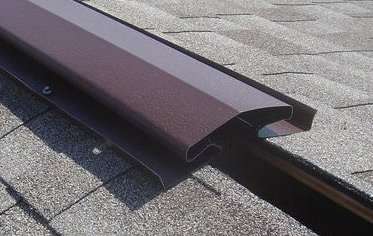
What Does A Properly Vented Attic Look Like?
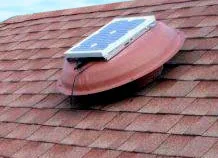
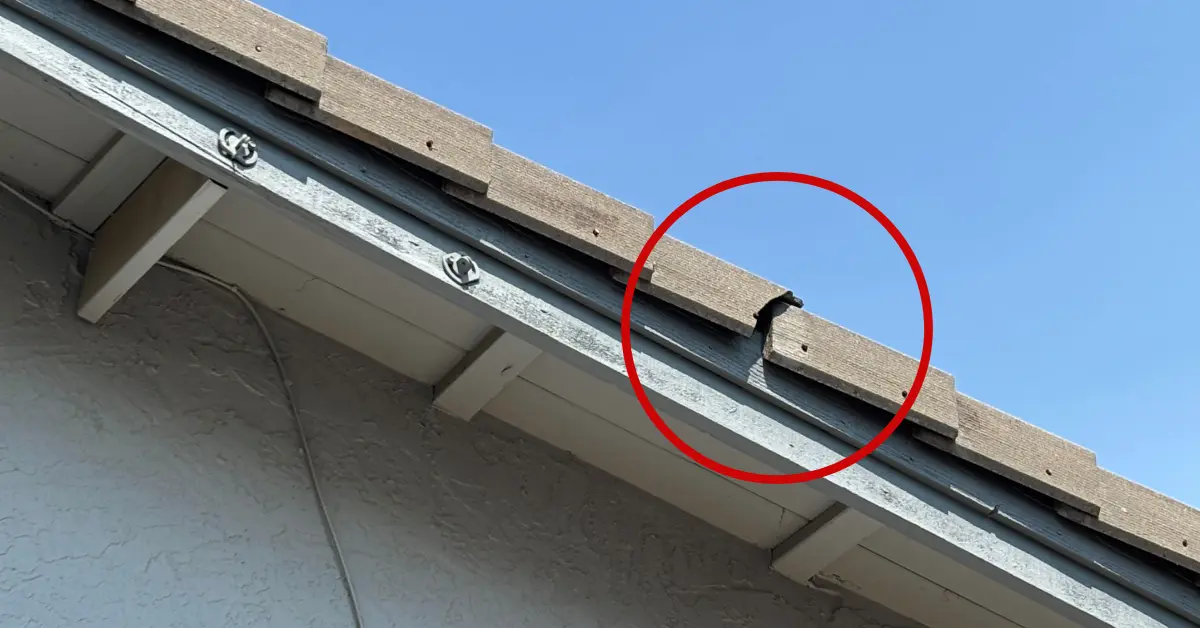
A well-ventilated attic will have openings to allow airflow in various designated areas and can incorporate a variety of ventilation components, including the following options:
Does Your Home Need Attic Vents? Talk With An Expert!
Homeowners in Sacramento and Cameron Park, CA, can depend on the experts to evaluate the sufficiency of attic ventilation for new or existing homes. At Straight Line Construction, we work closely with homeowners to identify ventilation issues or to verify that their homes have adequate attic ventilation. We’ll provide a straightforward assessment. Contact us today to learn more about the value of attic ventilation or to schedule your free consultation.