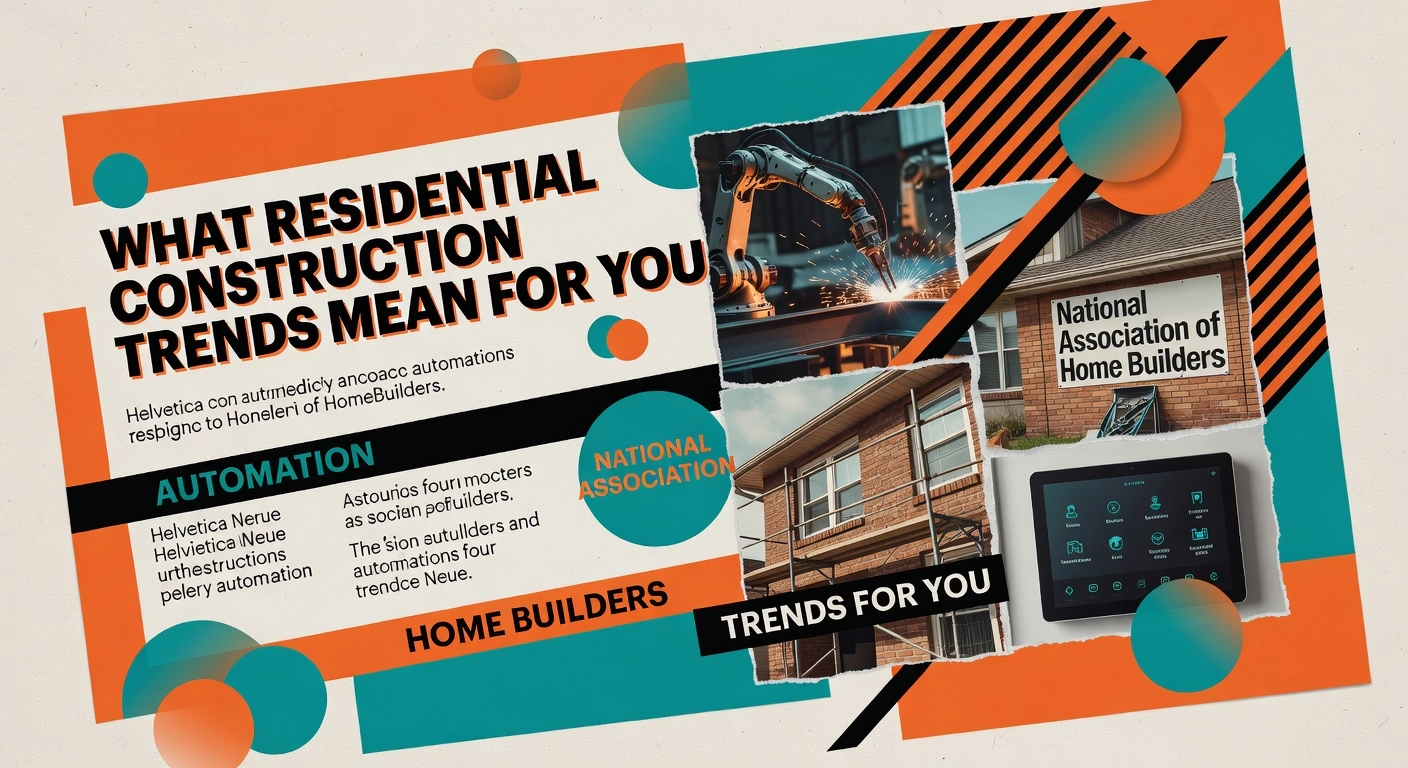
In an era where homes are no longer just shelters but dynamic extensions of our lifestyles, the pace of change in residential construction is accelerating. Consider this: by 2025, over 70% of new homes will incorporate smart automation features, according to recent industry reports from the National Association of Home Builders. These shifts are not mere fads. They reflect broader forces like climate imperatives, technological leaps, and shifting buyer preferences that are redefining how we live.
This post delves into the most influential residential construction trends and their direct implications for you. Whether you are a prospective homeowner eyeing your next purchase, an investor scouting opportunities, or a builder adapting to market demands, understanding these trends equips you with a competitive edge. We will analyze key developments, such as the rise of net-zero energy designs, modular prefabrication techniques, and resilient materials engineered for extreme weather. You will learn how these innovations impact costs, timelines, property values, and long-term sustainability. By the end, you will see beyond the headlines to grasp actionable insights that inform your decisions in today’s transforming housing landscape.
National Residential Construction Outlook
Single-family housing starts are projected to experience a modest 1.0% increase in 2026, reaching 940,000 units nationally, according to the NAHB 2026 Housing Outlook. This uptick follows a 6.9% decline in 2025 and signals cautious optimism amid persistent affordability hurdles and anticipated mortgage rates hovering just above 6%. New home sales are expected to mirror this growth with a 1% rise, driven by Federal Reserve rate cuts and slight improvements in buyer confidence. For residential builders, this trend underscores the need to prioritize efficient project timelines and cost controls to capitalize on demand. Early 2026 data from the U.S. Census Bureau shows single-family starts at a seasonally adjusted annual rate of 935,000 units in January, down slightly from December but aligning with recovery projections. Actionable insight: Focus on high-demand markets where lot development costs are lower to maximize these incremental gains.
Shift Toward Attached Homes
A key residential construction trend is the surge in townhouse construction, capturing a multidecade high market share of 18% within single-family starts. This shift reflects builders’ response to affordability challenges, as attached homes offer quicker build times, reduced land expenses, and appeal to first-time buyers like Millennials and Gen Z burdened by high entry prices and student debt. Detached single-family units remain dominant, yet townhouses provide a practical alternative in high-cost regions, enabling faster market delivery. Data from the NAHB highlights how land and lot development costs continue to favor this model, with implications for urban infill projects. Builders should consider townhouse designs in planning, incorporating modern features like open floor plans to attract younger demographics. This evolution points to broader adaptability in residential construction trends.
Remodeling Boom and Persistent Housing Shortage
Residential remodeling stands out with projected 3% growth in real, inflation-adjusted terms for 2026, now accounting for 45% of total housing spending, up significantly from 33% in 2007. Factors include an aging housing stock averaging 41 years old, rising home equity, and the mortgage rate lock-in effect affecting 80% of homeowners with sub-6% rates. This surge outpaces new construction and supports aging-in-place modifications, with expenditures forecasted 19% higher by 2030. Compounding this is a national housing shortage of 1.2 million units, based on low metro vacancy rates and shelter costs rising 3.6% annually. Existing home inventory is improving to 4.6 months’ supply in 2026, up 8.9% year-over-year and nearing balanced 4-6 month levels, per NAHB analysis. Homeowners can leverage this by investing in energy-efficient upgrades for long-term value.
Labor Challenges and Rising Material Costs
Labor shortages pose the most pressing headwind, with nearly 300,000 construction job openings reported in December 2025 and a need for 740,000 new workers annually to address growth, retirements, and turnover. These gaps delay projects and inflate costs, prompting 20-50% adoption of offsite construction in labor-intensive trades like roofing and framing. Nationally, residential material prices have climbed 3% since mid-2025, with upward pressure on steel, concrete, and labor despite soft demand. Builders report skilled labor demand as a top concern, affecting timelines across single-family and multifamily segments. To mitigate, prioritize workforce training programs and modular techniques for efficiency. Recent Census Bureau updates reinforce the urgency, as NAHB’s Housing Market Index holds at 38, signaling builder caution. Forward-thinking firms will integrate these strategies to navigate 2026’s landscape effectively.
California and Northern California Specifics
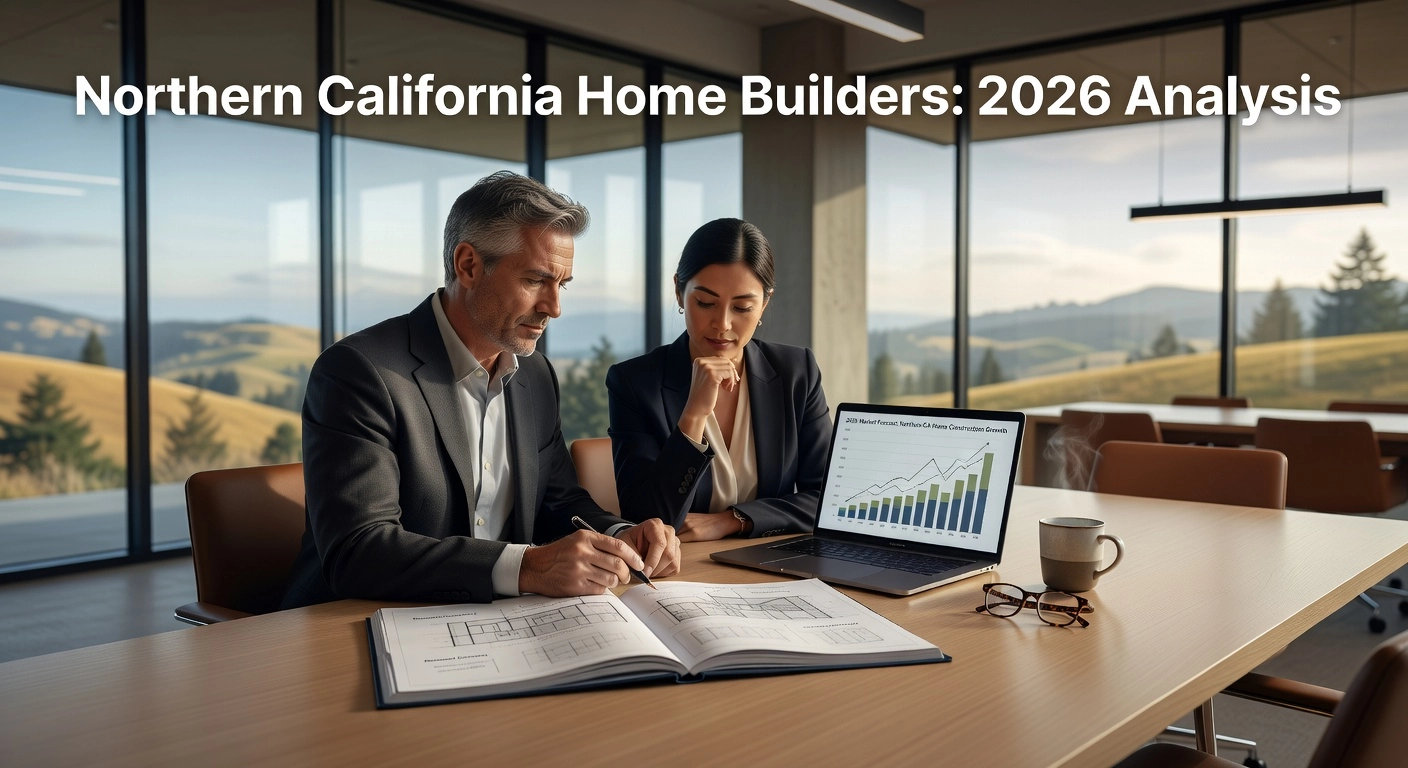
California’s residential construction sector shows signs of modest recovery in 2026, building on the national uptick in single-family starts. Statewide, residential construction is forecasted to grow by 1.1%, according to Atradius insights, while Pacific region single-family spending rises 1% following a flat 2025, as reported by California Construction News. This cautious optimism stems from stabilizing interest rates around 6.2% and policy shifts favoring denser builds, though single-family permits remain 13.3% below last year at 28,633 units for the first half of 2025. Multifamily activity has climbed 16.7% to 23,325 units, driven by urban density mandates. Builders can capitalize on this by prioritizing multifamily-adjacent residential projects, such as townhouses now holding an 18% market share nationally. These trends signal incremental gains amid affordability hurdles.
Industry Confidence and Hiring Plans
A recent AGC of California survey underscores this momentum, with 62% of firms expecting growth or moderate increases in activity, rising to 79% among building-focused companies that include residential work. Notably, 69% plan to expand hiring, even as 66% highlight skilled labor demand as their top challenge. Firms report net positive outlooks, with 56% anticipating higher project values than in 2025. This hiring push targets craft roles like roofing and framing, where shortages persist. For intermediate builders, actionable strategy involves partnering with trade apprenticeships to secure talent early, ensuring projects stay on schedule.
Labor Shortages and Cost Pressures
California grapples with a stark labor gap of 439,000 workers, part of a national need for 740,000 annually, fueling 20-50% adoption of offsite construction methods. Material costs have spiked 3.5% in the state, contrasting national 3% growth and pressuring margins amid 25-28% elevations above pre-2020 levels. Residential lags behind a booming infrastructure sector, evident in megaprojects like university towers, while housing permits hit lows not seen since 2014 outside pandemics. As detailed in JM Construction analysis, this dichotomy delays single-family builds but opens wildfire recovery opportunities, with over 3,100 permits post-fires. Savvy contractors mitigate risks through bulk material contracts and modular prefabs to cut labor needs by up to 50%.
Northern California Resilience Imperative
In Northern California, climate risks amplify these dynamics, with one in five new homes at wildfire threat, driving demand for resilient features beyond Title 24 standards. Projects like KB Home’s Stone Canyon in Cameron Park exemplify this, achieving IBHS “Wildfire Prepared Home Plus” certification via Class A roofs, noncombustible siding, and defensible spacing. These homes secure traditional insurance, avoiding costly FAIR Plan alternatives, and tie into local rebuilding post-Caldor and King fires. Trends favor solar-integrated cool roofs and fire-hardened materials, boosting insurability and market appeal. Local builders should integrate these early in designs for competitive edges in high-risk zones like the Sierra foothills. Overall, Northern California’s focus on durability positions it for sustained growth within statewide constraints.
Boom in Remodeling and Townhouse Construction
The residential construction landscape in 2026 highlights a robust surge in remodeling activity, projected to expand by 3% in inflation-adjusted terms while commanding a commanding 45% share of total housing expenditures. This growth outpaces new construction and reflects deeper market dynamics, including an aging housing stock where the average U.S. home now stands at 41 years old, up from 31 years in 2006. Homeowners, facing persistent affordability hurdles and mortgage rates around 6.2%, are tapping into substantial post-pandemic equity gains rather than relocating. The “lock-in effect,” with 80% of mortgages below 6%, further fuels this trend, as families opt for updates like aging-in-place features, which 56% of remodelers now handle. According to the NAHB/Westlake Royal Remodeling Market Index, this sector has sustained strength for 24 straight quarters above breakeven levels. For Northern California homeowners, this means prioritizing kitchen overhauls or energy-efficient retrofits to enhance livability without the costs of new builds.
Townhouse construction complements this remodeling boom, achieving a multidecade high of 18% share among single-family starts, with 46,000 units initiated in Q3 2025 alone. These attached homes provide cost-effective alternatives to detached single-family properties, slashing land and building expenses while appealing to first-time buyers and downsizers seeking walkable communities. In a high-price environment, townhouses balance affordability and space, with quarterly totals reaching 179,000 units, up 1% year-over-year. Builders in regions like Northern California favor them amid regulatory pressures and land scarcity. As noted in detailed analysis from Eye on Housing, this shift underscores adaptability in residential construction trends. Homeowners benefit from lower entry prices, often 20-30% below detached homes, making them viable in tight markets.
For homeowners, these trends present clear implications: value-adding renovations often trump new builds amid a 1.2 million unit national housing shortage. In a market with chronic low inventory, remodeling boosts equity and resale value through targeted projects like multigenerational suites or sustainable upgrades, avoiding moving hassles. New construction faces headwinds from labor gaps, needing 740,000 workers annually against 300,000 openings. Existing inventory has improved 8.9% year-over-year to 4.6 months’ supply, easing some pressure yet staying below balanced levels of 4-6 months. This sustains demand for renovations. Actionable insight: Assess your home’s age and equity; consult local experts for high-ROI projects like roofing or framing to capitalize on these shifts.
Harvard’s Joint Center for Housing Studies forecasts remodeling spending nearing $522 billion by year-end, signaling sustained opportunity.
Sustainability and Climate Resilience Priorities
In 2026, residential construction trends in Northern California emphasize sustainability and climate resilience as essential responses to intensifying wildfires, floods, and heatwaves. The global green buildings market is projected to expand from $618.58 billion in 2025 to $676.85 billion, driven by demand for energy-efficient homes that reduce carbon footprints. Nearly 70% of U.S. builders now market homes as resilient, up sharply from 10% in 2024, as climate risks impact insurance for 70% of projects. Homeowners seek features that lower utility bills and enhance property values amid these challenges. For Northern California, where Sacramento enjoys 260 sunny days annually and faces over $900 billion in flood-exposed buildings, these priorities are non-negotiable. Builders report premiums of up to $74,000 for green homes that lease 8-15% faster.
Eco-Friendly Roofing and Materials for Northern California
Cool shingles with solar-reflective properties reflect up to 27% of solar heat, keeping roofs 50°F cooler and cutting cooling costs by 10-15%, or $180-360 annually for typical Sacramento homes. Solar-integrated roofing systems embed photovoltaic cells directly into shingles, generating power while meeting California’s Title 24 energy standards; they offer payback in 7-10 years through net metering and boost home values by the installation cost. Low-VOC paints, adhesives, and finishes minimize indoor pollutants, supporting a market growing at 7-8% CAGR, while pairing well with reclaimed wood and recycled insulation. Wildfire hardening includes Class A fire-rated roofs, ember-resistant vents, noncombustible materials, and 10-foot structure separations, as seen in resilient communities near Sacramento. Flood measures feature elevated foundations, permeable surfaces, and greywater systems to combat atmospheric rivers. Metal roofing, with 25-95% recycled content and 50-year lifespans, excels against heat, fire, and erosion.
Electrification and Indoor AirPlus Demand
Electrification is surging, with 42% of U.S. homes adopting electric heating via heat pumps and all-electric designs that save $400 monthly on utilities and insurance. Electricity demand grows 2% annually through 2030, fueled by residential shifts and buyer premiums for these upgrades. Indoor AirPlus certifications, now mandatory for DOE tax credits post-January 2026, ensure low-VOC materials, superior ventilation, and pollutant controls alongside ENERGY STAR standards. These enhance indoor air quality in renovations, aligning with whole-home filtration trends.
Straight Line Roofing & Construction’s Sustainable Expertise
Straight Line Roofing & Construction, based in Shingle Springs and serving Sacramento, Roseville, Folsom, and El Dorado Hills, leads with eco-friendly shingles, recyclable metal roofs achieving 25% air-conditioning savings, and solar-integrated solutions qualifying for 30% federal credits. Their ventilation and insulation optimizations reduce heat buildup, divert landfill waste, and secure rebates for Valley summers. Owner Jack Borba, a local raised in the trade since age ten, has built the company since 1999 into Northern California’s most trusted name, with zero Better Business Bureau complaints.
Policy and Market Drivers
California’s SB 253 requires GHG reporting from 2026, while IECC 2024 adds carbon ratings and IRA incentives evolve into state rebates. Market forces show 79% of homeowners prioritizing savings, with LEED homes using 25-30% less energy. For actionable insights, audit your roof for Title 24 compliance and integrate resilient features early to cut insurance costs. These drivers ensure sustainable builds thrive amid climate pressures. Green buildings market growth and resilient home trends underscore the shift.
Rise of Offsite Prefab and Modular Building
Offsite prefabrication and modular building methods represent one of the most transformative residential construction trends in 2026, particularly as labor shortages intensify across the United States and California. With a staggering 439,000-worker gap in California alone, as noted by Premier Building Systems, these factory-based approaches are reshaping the industry by enabling 20-50% higher adoption rates in critical areas like roofing and framing. This surge addresses chronic skilled labor deficits, where shortages have delayed 76% of projects nationwide. By manufacturing components such as structural insulated panels (SIPS), pre-cut trusses, and wall systems in controlled environments, builders achieve faster onsite assembly, often enclosing structures in days rather than weeks. The result includes up to 60% less waste and significantly reduced onsite labor needs, making these methods ideal for single-family homes and townhouses amid rising demand.
Adoption Surge Driven by Labor Challenges
Labor shortages stand out as the primary catalyst, with the construction sector facing around 300,000 national openings as of late 2025 and a need for 740,000 new workers annually, according to the NAHB 2026 Housing Outlook. In roofing and framing specifically, offsite prefab has accelerated adoption by 20-50%, as highlighted in reports from Premier Building Systems and the Modular Building Institute. These techniques shift 70-90% of labor to factories, cutting onsite requirements by 40-60% and allowing projects to progress 40-50% faster overall. For residential builders in Northern California, where 66% of firms cite skilled labor demand as a top issue, this means reliable timelines despite the state’s 1.1% growth forecast. Small-scale builders, in particular, benefit from panelized systems that were once rare but now support nearly universal truss prefab in wood-frame homes.
Benefits: Cost Savings, Quality, and Speed
The advantages for residential projects are compelling and data-backed. Speed gains top the list, with modular homes completing in eight months versus over ten for traditional stick-built, delivering 50% timeline reductions and keeping 81% of adopters on schedule. Cost savings average 10-30% per home, or about $83,000, through 20% lower material use and 40-60% less onsite labor, while staying within budget unlike traditional overruns of 20-80%. Quality control shines in factories, yielding 40-60% fewer defects and 75-90% waste reduction, down to 10-15 kg per square meter. Homeowners enjoy long-term perks like 15% energy savings, equating to $200-400 annually in utilities.
Evolving Codes Bolster Momentum
Building codes are evolving to support these methods nationally and in California. The International Code Council equates factory-built homes to site-built ones, while California’s 2025 Title 24 standards, effective 2026, favor prefab for energy efficiency, airtightness, and seismic resilience. Legislative efforts, including standardization of approvals, promise further 10-25% gains in cost and time. For homeowners eyeing these trends, partnering with trusted local experts ensures seamless integration, minimizing risks in this fast-evolving landscape.
Labor Shortages, Cost Pressures, and IAQ Focus
Labor Shortages in Residential Construction
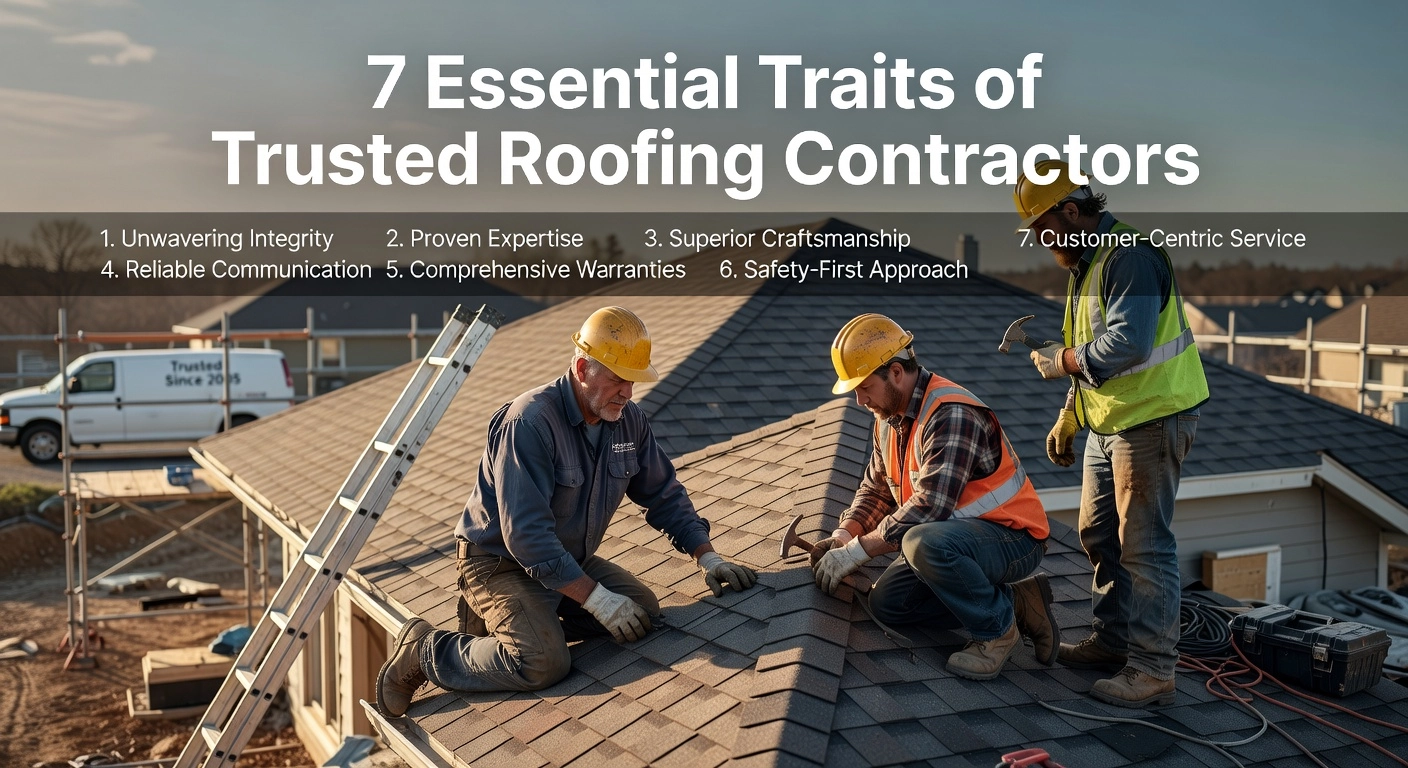
The residential construction industry faces severe labor shortages that threaten project timelines and quality. Nationally, the sector needs about 740,000 additional workers each year to meet demand, replace retirees, and fill roughly 300,000 open positions as of late 2025, according to the National Association of Home Builders. In California, the gap stands at approximately 439,000 skilled workers, intensified by competition from infrastructure projects and an aging workforce. Surveys from the Associated General Contractors reveal that 69% of California firms, including those focused on residential building, plan to increase hiring in 2026 despite 66% citing skilled labor shortages as a primary barrier. Roofing and framing trades suffer the most, pushing builders toward innovative solutions. This crisis underscores the value of partnering with established local firms like Straight Line Roofing & Construction, led by owner Jack Borba, whose decades of hands-on experience ensure reliable crews even in tight markets.
Rising Costs and Mitigation Strategies
Material and labor costs continue to climb, adding pressure to residential projects nationwide. Expect 3 to 3.5% increases in 2026, with California seeing a sharper 3.5% spike in materials like steel and concrete since mid-2025. Labor wages have risen faster than inflation, prompting 40% of firms to offer 4 to 6% pay hikes. To counter these trends, builders adopt offsite construction methods, which reduce onsite labor needs by 20 to 50% and cut waste while speeding timelines. Panelized systems and modular components provide predictability amid volatility. Straight Line Roofing & Construction leverages such strategies, drawing on Jack Borba’s apprenticeship roots to deliver cost-effective results without compromising quality.
Indoor Air Quality Trends
Homeowners increasingly prioritize indoor air quality (IAQ) in renovations, driven by post-pandemic health awareness. Environmental Product Declarations (EPDs) are gaining traction for transparent carbon and emissions data, while ultra-low emission materials with low-VOC finishes become standard for certifications like Indoor AirPlus. These choices enhance ventilation, reduce pollutants, and support energy savings up to 30% in healthy homes. Renovation projects now specify verified clean products to differentiate in competitive markets. Northern California’s focus on resilient builds amplifies this shift.
Tips for Homeowners
Navigate these challenges by planning early: secure contracts with proven local experts like Straight Line Roofing & Construction, which boasts zero BBB complaints and Jack Borba’s lifelong commitment to the trade. Budget 3 to 5% extra for escalations and prioritize offsite methods for faster, labor-light builds. Demand EPD-backed, ultra-low emission materials in remodels to boost IAQ and resale value. Check for hiring plans and skilled trade certifications when selecting builders. These steps ensure your project thrives amid shortages. For deeper insights on workforce needs, see the ABC construction industry report.
Innovations in Roofing, Siding, and Materials
Roofing Innovations Driving Efficiency and Durability
Residential construction trends in 2026 spotlight advanced roofing solutions that blend sustainability with performance. Solar shingles lead the charge, integrating photovoltaic technology seamlessly into rooflines for a sleek appearance. With 44% of residential contractors now offering solar products, up from 24% in 2024, these generate significant revenue and payback periods of 7 to 10 years in sunny Northern California climates, saving homeowners $1,500 to $2,000 annually through net metering. Cool roofs, featuring reflective coatings and granules, reject up to 70% of solar energy, reducing attic temperatures and HVAC demands by 10 to 25%, which translates to $180 to $360 in yearly cooling savings. Metal roofing, capturing 17% market share after surging from 3%, offers unmatched longevity of 50+ years, Class 4 impact resistance, and 25 to 95% recycled content; it keeps attics 30 degrees Fahrenheit cooler than asphalt, enhancing energy efficiency amid rising material costs up 3.4% year-over-year.
Siding Shifts Toward Timeless Resilience
Siding preferences evolve toward warm neutrals and earth tones, prioritizing aesthetic endurance and low maintenance. Designers forecast palettes like creamy off-whites, earthy greiges, muted sages, and soft blue-grays, which hide dirt effectively and harmonize with natural landscapes for year-round appeal. Materials such as fiber cement, composites, and vinyl in these hues provide fire, wind, and impact resistance, aligning with biophilic design principles that boost curb appeal and homeowner well-being. These “new neutrals” pair ideally with dark roofs, creating versatile exteriors that withstand trends and California’s variable weather.
Straight Line’s Proven Local Expertise
Straight Line Roofing & Construction excels in these trends, drawing on owner Jack Borba’s decades of local experience since founding the company in 1999. With zero complaints at the Better Business Bureau, the team installs Title 24-compliant cool roofs, durable metal systems, solar-integrated shingles, and sustainable siding like fiber cement. Their Northern California roots ensure precise adaptations for regional climates, delivering energy-efficient, resilient homes.
Industry sources, including Roofing Contractor’s 2026 report and LBM Journal experts, confirm these preferences: metal and solar roofing growth, alongside resilient siding, amid NAHB’s projected 3% remodeling boom. Homeowners should prioritize these for long-term ROI and climate readiness.
Implications for Northern California Homeowners
Northern California homeowners should adjust project planning to align with residential construction trends emphasizing remodels, resilient features, and prefabricated elements for faster completion. With remodeling activity projected to grow 3% in inflation-adjusted terms and accounting for 45% of total housing spending, focus on upgrades like ADUs, energy retrofits, and kitchen expansions offers quicker returns and avoids the delays of new builds, where permits lag 16% below historical averages. Incorporate resilient features such as Class A fire-rated roofs, noncombustible materials, and defensible landscaping, essential in wildfire-prone areas like the Sierra foothills, as demonstrated by communities like KB Home’s Stone Canyon near Sacramento. Prefab and modular methods accelerate timelines by 20 to 50%, countering labor shortages of 439,000 workers in California and reducing waste amid 3.5% material cost spikes. Actionable step: Use CAL FIRE maps to assess your site’s fire risk and allocate 10 to 20% extra budget for these upgrades.
Affordability challenges persist with 30-year mortgage rates hovering near 6.2%, averaging 6.18 to 6.44% in early 2026, alongside a lock-in effect trapping 70% of owners with sub-4% rates and suppressing inventory to 4.6 months’ supply. Policy uncertainty from the 2025 California Building Standards Code, effective January 2026, could raise remodel costs 5 to 10%, while skilled labor demands worry 66% of firms. Yet, forecasts show median home prices rising 3.6% to $905,000 statewide, with sales up 2%, signaling stabilization. Homeowners can mitigate by prioritizing $50,000 to $150,000 remodels over $1 million new builds and exploring rate buydowns.
Partner with BBB A+ accredited local experts like Straight Line Roofing & Construction, which boasts zero complaints and 26 years serving from Shingle Springs to the East Bay and Tahoe. Owner Jack Borba, a local native with decades in the trade from apprenticeship to branch management, ensures trend-compliant builds in roofing, siding, solar, and resilient upgrades. Their financing options ease costs for fire-hardened roofs and prefab integrations.
A growing market presents opportunities, with 62% of California firms optimistic about growth, including 79% of building-focused ones planning 69% hiring increases. Pacific region single-family spending rises 1%, fueling demand for proactive projects amid a 1.2 million national housing shortage. Seize this by auditing resilience gaps and consulting locals now.
Actionable Takeaways for Your Next Project
As residential construction trends evolve in 2026, homeowners in Northern California stand at a pivotal moment to make informed decisions for their next project. With remodeling activities projected to grow by 3% in inflation-adjusted terms and already capturing 45% of total housing spending nationwide, now is the ideal time to evaluate your existing home’s potential. Start by conducting a thorough assessment: inspect structural integrity, energy efficiency, and layout flexibility. For instance, older homes in wildfire-prone areas like the Bay Area often benefit from updates that enhance resilience without full teardowns. Hire a professional inspector to identify high-return opportunities, such as expanding living spaces or modernizing kitchens, which can boost property value by 10-20% according to industry benchmarks. This strategic approach aligns with the booming remodel sector and addresses the national housing shortage of 1.2 million units by maximizing existing inventory.
Incorporating sustainability features offers long-term cost savings amid rising material prices, which have spiked 3.5% in California. Prioritize cool roofs, which reflect sunlight to reduce attic temperatures by up to 50 degrees Fahrenheit, slashing cooling costs by 10-15% annually. These roofs, often made with reflective shingles or coatings, also extend lifespan and qualify for local rebates in Northern California. Combine them with solar-integrated options to further lower energy bills, especially as electrification trends accelerate. Actionable step: calculate your roof’s solar reflectance index (SRI) and aim for ratings above 78 for optimal performance. Such investments not only combat climate challenges like heatwaves but also future-proof your home against escalating utility rates.
To sidestep labor delays, explore prefabricated (prefab) and modular options, which see 20-50% adoption in roofing and framing due to California’s 439,000-worker gap. Prefab components arrive onsite ready-to-assemble, cutting build times by up to 50% and reducing waste by 30%. For a typical Northern California addition, this means bypassing the 300,000 national job openings and 66% of firms citing skilled labor shortages. Research certified prefab suppliers and integrate them into designs for seamless execution. This trend ensures projects stay on budget despite 69% of California contractors planning hires.
For resilient, efficient builds, consult experienced Northern California contractors with proven track records. Look for firms with decades of local expertise, zero complaints at the Better Business Bureau, and leaders like Jack Borba, who started in the trade young and grew Straight Line Roofing & Construction into a trusted name since 1999. They deliver trend-aligned projects that withstand regional risks while optimizing costs.
Contact Straight Line Roofing & Construction today for personalized advice tailored to these residential construction trends. Their team will guide your project from assessment to completion, ensuring efficiency and durability.
Conclusion
In summary, residential construction trends are reshaping our homes through smart automation integration, net-zero energy designs, modular prefabrication, and resilient materials built for extreme weather. These innovations address climate challenges, boost efficiency, and align with evolving buyer demands, ensuring homes that are sustainable, adaptable, and future-proof.
This post has armed you with actionable insights to navigate these changes, whether buying, investing, or building. Stay ahead by evaluating properties against these trends and consulting experts to make informed decisions.
Embrace this evolution today. Your next home could be more than a shelter; it could be a smart, resilient haven tailored to your lifestyle. Act now to secure your place in tomorrow’s housing landscape.