Imagine this: you climb into the attic on a rainy day, only to discover leaks staining your ceiling and insulation. Panic sets in as you realize your roof needs replacing. Then comes the real shock, a contractor quote that varies wildly from $5,000 to $50,000 or more. What drives such differences in roof cost? For many homeowners, this uncertainty feels overwhelming.
As experts in residential roofing with decades of experience, we understand your concerns. In this analysis, we break down the key factors determining roof replacement costs. You will gain clear insights into materials, roof size and pitch, labor rates, location impacts, and unexpected add-ons like permits or ventilation upgrades. No jargon, just straightforward explanations tailored for beginners.
By the end, you will know how to spot fair quotes and make informed decisions that protect your home and budget. Whether you are planning ahead or facing an urgent repair, this guide equips you with the knowledge to navigate the process confidently.
Key Factors in Pricing a Roof Replacement
Square footage stands as the primary driver in determining roof replacement costs, measured not by your home’s ground footprint but by the actual roof surface area in roofing squares, where one square equals 100 square feet. Contractors calculate bids per square to account for pitch and waste, with Northern California averages ranging from $12.50 to $14 per square foot installed for asphalt shingles, including materials, labor, and basic disposal. For a typical 2,000-square-foot home, this translates to a baseline of $25,000 to $28,000 before add-ons. Every additional 100 square feet adds roughly $1,250 to $1,400, making precise measurements essential during free estimates. Beginners should request detailed square calculations upfront to avoid surprises. Straight Line’s Roof Estimator Tool
Roof Pitch Impact
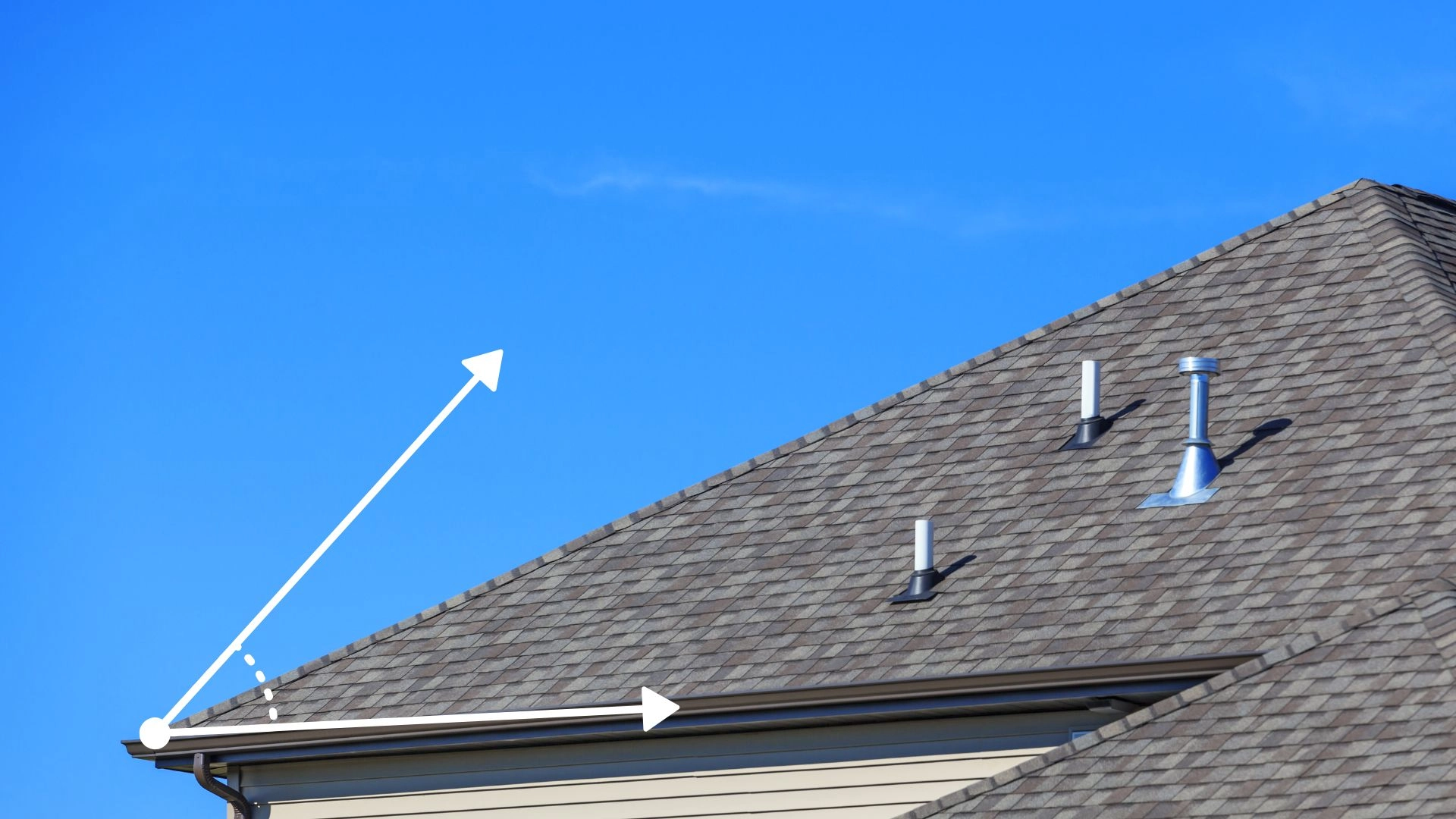
Roof pitch, expressed as a ratio like 6:12 (six inches of rise per 12 inches of run), directly influences both material needs and labor intensity. Low-pitch roofs under 4:12 cost less because crews can walk them easily with minimal safety equipment, keeping labor at baseline rates. Steep pitches over 6:12 demand roof jacks, harnesses, and scaffolding, increasing labor costs by 20 to 50 percent due to slower installation and heightened fall risks. A 4:12 pitch job on a 1,700-square-foot roof might take two days, while a 10:12 version extends to four days, adding $3,000 or more. In Northern California’s varied terrain, always factor pitch into quotes for accurate budgeting.
Complexity Elements
Roof complexity from features like multiple valleys, dormers, or chimneys elevates costs by 10 to 30 percent through extra flashing, precise cutting, and waste materials. Each valley requires custom metal flashing at $10 to $20 per linear foot to prevent leaks, while dormers and chimneys double labor in those zones for secure sealing. A simple gable roof might total $25 per square foot; one with four valleys and two dormers climbs to $30 to $35. Seismic reinforcements in the region add $500 to $2,000 per feature.
Dry Rot and Standard Inclusions
Dry rot, prevalent in Northern California’s humid and foggy climates, often surfaces during inspections as decayed sheathing or rafters, necessitating repairs from $2,000 to $10,000 based on severity. Ventilation upgrades, synthetic underlayment, and full tear-off of one to two old layers form standard inclusions, comprising 20 to 25 percent of baseline pricing to meet Title 24 codes. Tear-off alone costs $1 to $5 per square foot, preventing overload and ensuring longevity. Opt for reputable firms like Straight Line Roofing & Construction, with zero Better Business Bureau complaints and owner Jack Borba’s decades of local expertise from apprenticing under his father to building a trusted Northern California leader since 1999. Schedule an inspection today for transparent pricing.
2026 Average Roof Replacement Costs in Northern CA
In Northern California, the average roof replacement cost for a standard 2,000 square foot asphalt shingle roof in the Sacramento area stands at $25,080, according to Modernize data. This figure breaks down to $10,032 for materials and $15,048 for labor, reflecting local labor rates influenced by high demand and regulations like Title 24 energy standards. Factors such as roof pitch, which increases labor for steeper slopes, and square footage directly impact this total. Complexity from multiple valleys or chimneys adds 10 to 20 percent more, while issues like dry rot require deck repairs that can inflate costs by thousands.
Per square foot pricing provides a clear benchmark for budgeting. Asphalt shingles range from $4.50 to $7.00 per square foot, totaling $9,000 to $15,000 for 2,000 square feet, making them ideal for beginners seeking affordability. Metal roofing costs $8.00 to $14.00 per square foot, or $18,000 to $36,000 total, offering superior durability against wildfires. Tile roofs command $10.00 to $18.00 per square foot, equating to $20,000 to $40,000, due to their weight and installation demands on reinforced structures.
Statewide, California averages $26,600 for the same roof, while Bay Area premiums reach $28,500 from elevated labor and seismic requirements. Straight Line Roofing & Construction reports projects spanning $7,000 to $90,000, depending on size, materials, and complexity like dry rot remediation. Smaller, simple roofs often fall between $10,000 and $20,000, per local guides, while premium or complex jobs exceed $28,000.
Choosing Straight Line means partnering with a BBB-rated company with zero complaints. Owner Jack Borba, a local raised in the trade since childhood, built this trusted firm from the ground up. For accurate quotes, measure your roof squares and consult licensed pros early. 2026 roofing trends.

Additional Expenses Beyond Basics
Tear-Off Old Roofing
Tear-off of old roofing layers adds $1 to $2 per square foot to your roof cost, especially with multiple layers or high disposal fees. In Northern California, steep pitches and strict regulations increase labor and trucking expenses, often totaling $50 to $150 per square for a full removal. Overlaying saves upfront costs but shortens lifespan and voids warranties. Experts recommend budgeting this in fixed-price contracts with allowances of $1,000 to $5,000 for surprises, as 55% of contractors report rising dump fees. For a 2,000 square foot roof, expect $2,000 to $4,000 extra. Always insist on full tear-off for longevity.
Dry Rot Repairs in NorCal
Dry rot, rampant in NorCal due to wet winters, uncovers during tear-off and costs $5 to $15 per square foot for joist replacements or treatments. National averages hit $1,423 for moderate cases, but local wood decay in rafters and decking pushes NorCal bids 10 to 30% higher, like $15,000 in Sacramento examples. These surprise expenses rarely appear in initial quotes. Include $2 to $3 per square foot allowances and preventive underlayment. Straight Line Roofing & Construction addresses these expertly, drawing on owner Jack Borba’s decades of local experience.
Add-Ons, Permits, and Upgrades
Vents, skylights, and gutters range $500 to $5,000 each; permits add $200 to $1,000 in the Bay Area. Bundle during replacement to save 10 to 20% on labor. Fire-resistant Class A upgrades with synthetic underlayment ($0.50 to $2.10 per square foot) yield 13.8 to 16.4% insurance discounts in wildfire zones. Financing and warranties from firms like Straight Line, with zero BBB complaints, boost value; Platinum options cover workmanship long-term. Budget 25 to 40% above basics for comprehensive protection.
2026 Trends Impacting Roof Costs
Rising Material Costs Despite Construction Cooling, Asphalt Up Due to Production Inflation
Even as construction activity cools in 2026, roofing material prices climb due to inflation and supply issues. Asphalt shingles, popular for their affordability, face 6 to 10 percent hikes from petroleum costs and tariffs. National averages show full replacements at $6,000 to $12,000, but Northern California sees higher figures around $9,500 to $11,000. Labor shortages add 14 percent to costs for many contractors. Homeowners should budget extra for these persistent rises and compare quotes early. For detailed pricing benchmarks, see roofing prices guide.
Sustainability Push: Cool Roofs for Title 24, Rebates, and Energy Savings
California’s Title 24 standards, effective 2026, require cool roofs in hot zones like Sacramento with minimum solar reflectance. Metal and tile options reflect heat, slashing air conditioning bills by up to 20 percent. Rebates reach $0.20 to $0.80 per square foot, plus federal tax credits up to 30 percent. These choices lower long-term roof costs through efficiency. Beginners benefit by checking utility programs before replacing.
Shift to Longevity: Metal Roofs for 40+ Years and Resale Boost
Metal roofs last 50 years or more, far outpacing asphalt’s 20 to 30. They boost home value by 1 to 6 percent and offer 85 to 95 percent ROI. Demand grows for their durability against heat and storms.
Economic Factors: Off-Peak Savings Amid Steady Demand
Robust reroofing demand persists despite slowdowns, with 78 percent of contractors expecting growth. Straight Line Roofing & Construction, with zero BBB complaints, helps navigate these trends expertly. Explore 2026 cost drivers.
Strategies to Minimize Roof Replacement Costs
Pursue Energy-Efficient Rebates
California’s Title 24 standards require cool roofs with specific solar reflectance ratings for energy savings. Qualifying materials unlock rebates of $0.20 to $0.80 per square foot from utilities like LADWP. These incentives cut cooling bills by 20 to 25 percent. Beginners should verify CRRC-rated products early. Combine with Inflation Reduction Act programs for maximum rebates.
Opt for Durable Materials
Select metal roofing at $6 to $16 per square foot for 50 to 100-year lifespans versus asphalt’s 15 to 30 years. Over 50 years, metal totals $28,500 including minimal repairs, far below asphalt’s $65,000 with replacements. It offers insurance discounts and 25 percent cooling savings. Trends show rising metal adoption amid storms.
Choose Trusted Local Partners
Partner with Straight Line Roofing & Construction for transparent pricing and zero BBB complaints. Owner Jack Borba’s local roots and expertise ensure reliable service in Northern California. Their A+ rating and 4.9 stars from 900 reviews minimize surprises. Demand warranties and cleanup in bids for cost control.
Actionable Takeaways for Your Roof Project
Accurate Roof Measurement
Start your roof project by determining precise square footage, the core factor in roof cost calculations. Use online tools or drone apps for DIY estimates, but hire professionals for accuracy on complex roofs. Inaccurate measurements can inflate quotes by 20 percent or more. Pros account for pitch multipliers, adding 20 to 50 percent surface area on steep slopes.
Essential Pre-Project Inspections
Schedule thorough inspections to uncover pitch challenges, structural complexity, and dry rot issues early. Hidden dry rot alone can double costs through repairs. Northern California homes often face these from wet climates, so prioritize certified inspectors. This step prevents budget overruns during replacement.
Smart Material Comparisons and Budgeting
Evaluate 2026 Northern California averages: asphalt shingles at $4.50 to $7 per square foot for budget options, metal at $10 to $15 for longevity, and tile at $15 to $20 for premium durability. Budget 20 percent above initial estimates for add-ons like tear-off. Time work for off-peak fall or winter to save 10 to 20 percent, plus seek local rebates worth thousands.
Conclusion
In summary, roof replacement costs depend on four key factors: material choices that balance quality and budget, roof size and pitch that affect complexity, labor rates varying by location, and add-ons like permits or ventilation upgrades. These insights equip you to estimate your project accurately, spot fair quotes, and avoid surprises.
This guide delivers clear, jargon-free value, turning uncertainty into confidence for homeowners like you. Ready to move forward? Contact our expert team today for a free, no-obligation inspection and personalized quote. Take control now, safeguard your home, and invest wisely in a durable roof that lasts for years. Your peace of mind starts with one informed step.